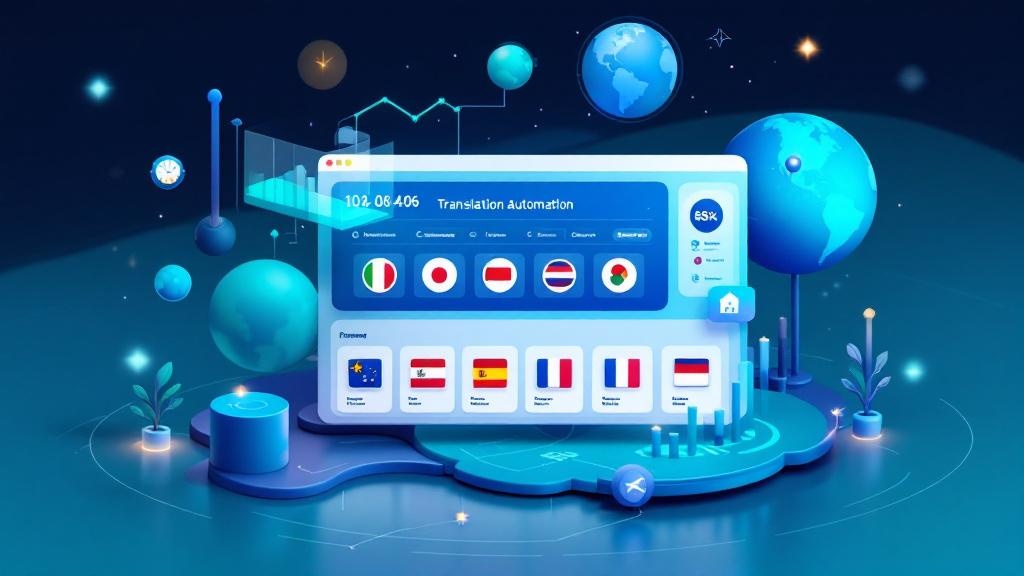
Managing a multilingual Shopify store with thousands of products isn’t just time-consuming — it’s mathematically overwhelming. A store with 3,000 products expanding into 8 languages faces 24,000 individual translation tasks. When you factor in product descriptions, meta titles, alt texts, and collection pages, that number easily exceeds 100,000 content pieces. This is where automated Shopify translation becomes not just helpful, but essential for sustainable international growth.
Unlike manual translation or basic plugin approaches, automated Shopify translation systems process your entire product catalog systematically, maintaining SEO value while scaling to any catalog size. The key difference lies in how these systems handle keyword research per target language, preserve technical elements like handles and structured data, and integrate with Shopify’s native multilingual architecture.
What Is Automated Shopify Translation?
Automated Shopify translation refers to systematic, technology-driven localization of e-commerce product catalogs that maintains search engine optimization across multiple languages. Unlike simple word-for-word translation, these systems research target-language keywords, adapt content for local search behavior, and preserve technical SEO elements throughout the process.
The automation occurs at multiple levels: content processing, keyword research, metadata optimization, and technical implementation. For example, when translating a German product titled “Kniebandage bei Arthrose,” an automated system doesn’t just convert it to “Knee bandage at arthrosis.” Instead, it identifies that English-speaking users search for “knee support for arthritis” and optimizes the translation accordingly.
Modern automated translation workflows integrate with Shopify’s API to process products, collections, pages, and metadata in bulk. They handle complex elements like JSON-LD structured data, product handles, URL slugs, and custom field translations — tasks that manual processes simply cannot scale to effectively.
Pro Tip: True automation means the system makes SEO-informed decisions about keyword placement, not just language conversion. Look for solutions that research search volume per target language.
How Does Automated Translation Compare to Manual Methods?
The difference between automated and manual Shopify translation becomes stark at scale. Manual translation typically involves significant per-word fees for professional quality. A 1,000-product store with average 100-word descriptions faces substantial translation expenses per language — before considering meta tags, collection descriptions, or ongoing product updates.
Automated systems process the same content volume in hours rather than weeks, with consistent quality and keyword optimization built into every translation. The workflow differences are equally dramatic:
| Manual Translation | Automated Translation |
|---|---|
| Export product data to CSV | API integration pulls data automatically |
| Send to translation agency | Process through automated workflow |
| Wait 2-4 weeks for delivery | Complete in 2-4 hours |
| Review and edit translations | Built-in quality assurance checks |
| Manual re-import and formatting | Direct integration back to Shopify |
| Fix broken handles and URLs | Preserves technical elements automatically |
More importantly, manual translation rarely includes keyword research for target markets. Translators focus on linguistic accuracy, not search engine optimization. Automated systems built for e-commerce specifically address search intent and ranking potential in each target language.
Which Shopify Translation Tools Support Automation?
Several platforms offer automated Shopify translation, each with different approaches to the automation challenge. Shopify Translate & Adapt provides native integration but lacks advanced SEO features like keyword research or bulk processing of complex product catalogs.
Langify offers app-based translation with some automated features, particularly strong for theme-level content translation. However, it requires manual keyword research and doesn’t handle structured data or custom fields comprehensively.
Weglot provides automated translation detection and processing, with a proxy-based approach that translates content dynamically. While user-friendly, this approach can create SEO challenges with URL structure and page load times for large catalogs.
For stores requiring true enterprise-scale automation — handling 10,000+ products across 15+ languages — managed translation services often provide the most comprehensive solution. These services combine automated processing with custom configuration for each store’s specific SEO requirements and market positioning.
Key Takeaway
No single tool fits every use case. Consider your catalog size, target language count, and SEO sophistication requirements when choosing between native Shopify features, third-party apps, or managed services.
How to Set Up Automated Translation for Your Shopify Store
Implementing automated Shopify translation requires systematic planning and technical configuration. The process varies significantly depending on your chosen solution, but the fundamental steps remain consistent across platforms.
Step 1: Audit Your Current Content Structure
Before implementing any automated solution, catalog your existing content types and volume. Count your products, collections, blog posts, and page types. Identify custom fields, metafields, and any specialized content like size guides or ingredient lists. This audit determines the scope and complexity of your translation project.
Pay particular attention to product handles and URL structures. Many automated tools struggle with complex handle patterns or custom URL configurations. Document any product variants, bundled items, or cross-selling relationships that must be preserved across languages.
Step 2: Configure Language and Market Settings
Access your Shopify admin and navigate to Settings > Markets. Enable the markets you plan to target, ensuring proper currency and tax configurations for each region. Configure Shopify’s native language settings, even if you plan to use a third-party translation solution — this ensures proper hreflang implementation and search engine indexing.
For each target market, research primary keywords for your most important product categories. This keyword research will inform your translation configuration, ensuring automated systems optimize for actual search behavior rather than literal translation accuracy.
Step 3: Install and Configure Your Translation Solution
Whether using Shopify Translate & Adapt, a third-party app, or a managed service, the configuration phase determines your translation quality and SEO performance. Focus on these critical settings:
- Keyword research integration for each target language
- Glossary setup for brand terms, product names, and technical specifications
- Content preservation rules for handles, SKUs, and structured data
- Quality assurance parameters and review workflows
Test the system with a small product subset before processing your entire catalog. Verify that product handles remain functional, metadata transfers correctly, and SEO elements like alt texts and schema markup process appropriately.
Step 4: Process and Review Translated Content
Run your automated translation on a schedule that allows for review and refinement. Most systems offer batch processing options — start with your highest-traffic products and core collections before expanding to your full catalog.
Monitor the translation output for keyword placement, brand consistency, and technical accuracy. Pay attention to product descriptions that include measurements, certifications, or regulatory information that must remain precise across languages.
Step 5: Implement Hreflang and Technical SEO
Ensure your automated translation solution implements proper hreflang tags for each translated page. These tags tell search engines which language version to display to which users, preventing duplicate content issues and ensuring proper international SEO performance.
Configure XML sitemaps for each language version and submit them to Google Search Console. Set up separate Search Console properties for each market to monitor performance and identify optimization opportunities per region.
Important: Always test automated translation workflows on a staging environment before applying to your live store. Translation errors can impact conversion rates and brand perception significantly.
What Are the Benefits of Automated Shopify Translation?
The primary advantage of automated translation lies in scalability without proportional resource increases. Manual translation costs and timelines scale linearly with content volume — double your products, double your costs and timeline. Automated systems demonstrate economies of scale, processing 10,000 products almost as efficiently as 1,000.
Speed represents another crucial benefit. When Rankist GmbH implemented automated translation for their supplement store, they processed 3,500 products across 8 languages in under 48 hours. The same project would have required 6-8 weeks through traditional translation agencies, delaying their international launch significantly.
Consistency becomes particularly valuable for brands with complex product catalogs. Automated systems maintain consistent terminology, tone, and keyword optimization across thousands of products. This consistency builds brand recognition and trust in international markets where customers may be unfamiliar with your company.
SEO optimization embedded in the translation process delivers measurable performance improvements. Unlike basic translation that focuses purely on linguistic accuracy, automated e-commerce translation targets actual search behavior in each market. Products optimized for local keywords naturally achieve better organic visibility and conversion rates.
After implementing automated SEO translation, we saw organic traffic from international markets double within 4 weeks across 8 languages, with a 65% increase in international sales growth.
— Rankist GmbH Client Results
What Challenges Should You Expect with Automated Translation?
Quality control represents the most significant challenge in automated Shopify translation. While modern AI systems produce remarkably accurate translations, they occasionally miss cultural nuances or technical terminology that requires human review. Products involving health claims, legal disclaimers, or complex technical specifications need particular attention.
Brand voice consistency across languages requires careful configuration and ongoing refinement. Automated systems need explicit instructions about tone, formality level, and brand personality per target market. German customers expect different communication styles than American or Brazilian customers, requiring nuanced approach to automated translation rules.
Technical integration challenges emerge with custom themes, apps, or unique Shopify configurations. Automated translation systems must work around existing customizations without breaking functionality or design elements. Stores with heavy theme customization or complex app integrations may require additional technical configuration.
Content maintenance becomes more complex with automated systems. Product updates, new launches, and seasonal promotions must flow through the translation workflow consistently. Without proper change management processes, multilingual stores can develop content inconsistencies that confuse customers and hurt SEO performance.
Pro Tip: Establish a glossary of protected terms before implementing automated translation. Brand names, product ingredients, technical specifications, and legal terms should translate consistently across all content.
How Much Does Automated Shopify Translation Cost?
Automated translation costs vary dramatically based on approach, catalog size, and feature requirements. Native Shopify solutions like Translate & Adapt offer the lowest entry point but may lack advanced SEO features for competitive markets.
Third-party apps typically charge per language or per product, with pricing tiers based on catalog size and feature access. Enterprise-level automation with custom configuration and managed services commands premium pricing but delivers correspondingly sophisticated results.
The cost equation changes significantly when factoring in ongoing maintenance and updates. Manual translation requires new costs for every product update, seasonal promotion, or catalog expansion. Automated systems absorb these updates into existing workflows, creating cost predictability for growing businesses.
Return on investment calculations should include both direct translation savings and revenue impact from improved international SEO performance. Stores achieving significant organic traffic increases in international markets often see ROI within 90-120 days of implementation.
For detailed cost analysis based on your specific catalog size and language requirements, use our free cost estimation tool to model different scenarios and approaches.
Which Store Types Benefit Most from Automated Translation?
High-volume product catalogs see the most dramatic benefits from automated Shopify translation. Fashion retailers with thousands of SKUs across multiple seasons, supplement companies with extensive product lines, and electronics stores with complex technical specifications achieve the greatest efficiency gains from automation.
Stores targeting multiple geographic markets simultaneously benefit from automated translation’s ability to optimize content for local search behavior in each region. Rather than translating once and hoping it works everywhere, automated systems can adapt content for German search patterns versus French versus Spanish user behavior.
Businesses with frequent product updates — weekly new arrivals, seasonal catalogs, limited-time offers — find automated translation essential for maintaining market competitiveness. Manual translation timelines simply cannot keep pace with rapid product cycle requirements in competitive e-commerce sectors.
B2B stores with complex product specifications, certification requirements, and technical documentation particularly benefit from automated translation’s consistency and accuracy in handling technical terminology across languages.
How to Measure Automated Translation Success
International organic traffic provides the most direct measure of automated translation effectiveness. Monitor organic search impressions, clicks, and ranking positions for your target keywords in each language using Google Search Console separated by market and language.
Conversion rate parity across languages indicates successful localization beyond mere translation. If your automated translations maintain similar conversion rates to your primary language store, the system is successfully adapting content for local user expectations and search behavior.
Time-to-market for new product launches in international markets demonstrates operational efficiency gains. Measure how quickly new products achieve organic visibility and sales velocity in translated markets compared to manual processes.
Cost per translated word or cost per product provides financial efficiency metrics. Include both direct translation costs and internal resource requirements for setup, maintenance, and quality review when calculating true automation ROI.
Use our SEO Performance Scanner to audit your multilingual implementation and identify optimization opportunities for international search performance.
Key Takeaway
Success metrics should combine efficiency gains (speed, cost) with performance outcomes (traffic, conversions, rankings). Both elements together indicate truly effective automated translation implementation.
Advanced Automated Translation Strategies
Seasonal content automation represents an advanced application of automated Shopify translation. Configure your system to automatically translate and optimize holiday promotions, seasonal product descriptions, and time-sensitive marketing content across all target languages simultaneously.
Dynamic keyword optimization allows automated systems to adjust product content based on search volume changes and competitive analysis in each market. Rather than static translations, advanced systems monitor keyword performance and refine content continuously for optimal search visibility.
Integration with inventory management systems enables automated translation workflows to pause or modify product content based on stock levels, regional availability, and supply chain constraints. This prevents promoting out-of-stock items in specific markets while maintaining content freshness where products remain available.
Cross-market content syndication automates the distribution of blog content, guides, and educational materials across multilingual markets. This approach builds topical authority and organic visibility beyond product pages, supporting overall international SEO strategy.
Future of Automated Shopify Translation
AI advancement continues improving automated translation quality while reducing the need for human review and refinement. Natural language processing models trained specifically on e-commerce content demonstrate better understanding of product context, customer search behavior, and conversion-focused copywriting across languages.
Integration depth with Shopify’s native features will likely expand, providing more seamless automated workflows for complex store configurations, app integrations, and custom development scenarios.
Personalization capabilities may emerge, allowing automated systems to adapt translated content based on individual user behavior, search history, and regional preferences within the same language market.
Voice search optimization for international markets represents an emerging frontier, as automated translation systems begin optimizing content for spoken queries and conversational search patterns in different languages and cultures.
Frequently Asked Questions
How accurate is automated Shopify translation compared to human translators?
Modern automated Shopify translation systems achieve high accuracy levels for e-commerce content, with specialized AI models trained on product descriptions, marketing copy, and customer-facing content. For standard product descriptions and straightforward marketing content, automated translation often matches human quality while maintaining SEO optimization that human translators typically miss. However, content requiring cultural adaptation, legal precision, or creative marketing language may still benefit from human review and refinement.
Can automated translation handle Shopify’s product variants and custom fields?
Advanced automated translation systems process Shopify’s complete data structure, including product variants, custom fields, metafields, and specialized content types. They preserve variant relationships, maintain SKU structures, and translate custom field content while preserving technical functionality. Basic automated tools may struggle with complex custom configurations, making system selection crucial for stores with extensive customization.
How does automated translation affect Shopify SEO and search rankings?
Automated translation systems designed for e-commerce typically improve SEO performance by researching target-language keywords and optimizing content placement for local search behavior. Unlike literal translation that maintains original keyword structure, SEO-focused automation identifies high-volume search terms in each target language and adapts content accordingly. Proper implementation includes hreflang tags, localized meta descriptions, and market-specific keyword optimization.
What happens to product handles and URLs during automated translation?
Professional automated translation systems preserve or systematically modify product handles to maintain URL structure and internal linking. They typically offer options to keep original handles, append language codes, or create localized slugs while maintaining redirect relationships. Poor automated translation can break handles, creating 404 errors and destroying SEO value — making handle preservation a critical evaluation criteria for any automated solution.
How long does automated Shopify translation take for large catalogs?
Automated translation processes vary by catalog size and system capabilities, but typically complete large-scale translations significantly faster than manual approaches. A 5,000-product catalog across 8 languages might process in 4-12 hours for automated systems versus 6-12 weeks for manual translation. Processing time depends on content complexity, quality review requirements, and system integration depth rather than pure word count.
Can I review and edit automated translations before publishing?
Most automated translation platforms offer review workflows, staging environments, and approval processes before content goes live. Advanced systems provide batch editing tools, glossary management, and quality assurance features to refine automated output. The key is balancing review thoroughness with the speed advantages of automation — focusing human review on high-impact pages and brand-critical content while accepting automated quality for standard product descriptions.
Get a Free Demo
Ready to see how automated SEO translation scales your Shopify store across multiple languages without the manual workload?